Three steps, then the studio takes over
You describe. They build. You play and decide. Everything happens on your machine, using whichever AI you plug in, subscription or API.
Describe your game
The intake asks what a producer would ask. Genre, scope, references, how it should feel. Plain words are enough.
The team plans and builds
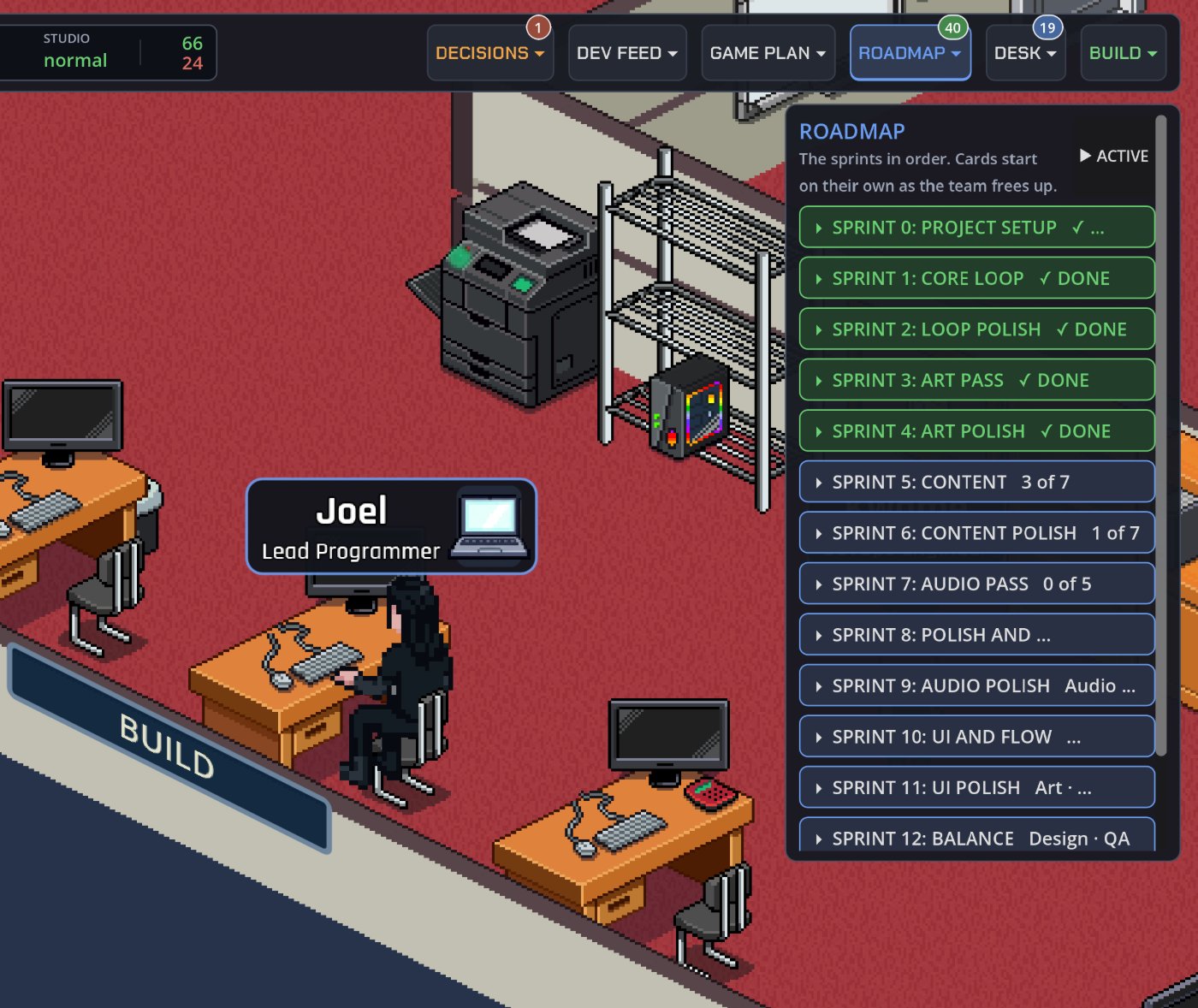
Card by card, on a roadmap that runs itself. Sprints open when the last one closes. Every build lands in git.
You test and decide
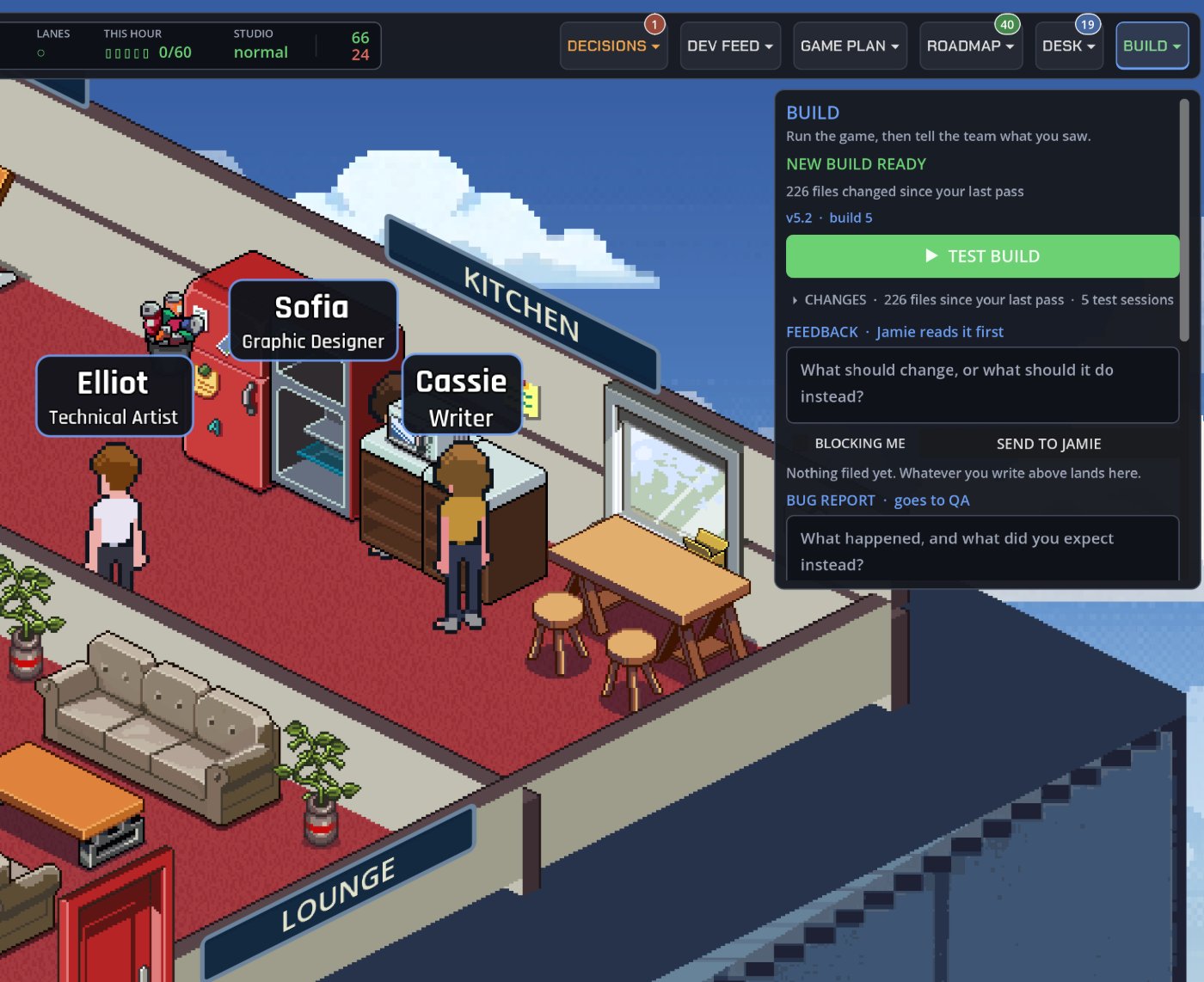
Play each build. Feedback goes to the producer, bugs go to QA, and the calls only you can make wait on your desk.
Built by a veteran game director
Having worked at some of the top game studios over the years I have learned the right, and the wrong, ways to build engaging video games. With vibe coding anyone can now make the games they have always dreamed of, but I found that making real games, with depth and the ability to engage users, still requires game design and game development skill sets. Secret Studio provides the development cycle framework needed to ship games and not just build shoddy prototypes.
Choose the right game before you build it
The biggest mistake in game development is choosing the wrong game to make. Secret Studio makes sure your concept is developed properly, and pulls no punches when evaluating it.
Bring your own game design document, just a concept, or simply brainstorm a new idea with the Game Designer. Twelve questions later, you greenlight a game the team can actually ship.
You see it happening, not a progress bar
The team posts pictures and three-second clips of the game as it comes together. New art, a boss, a working feature, a funny bug. The community manager resets the feed each stage.
The posts shown here are examples of what the team publishes to the feed during a real project.
A studio that runs itself
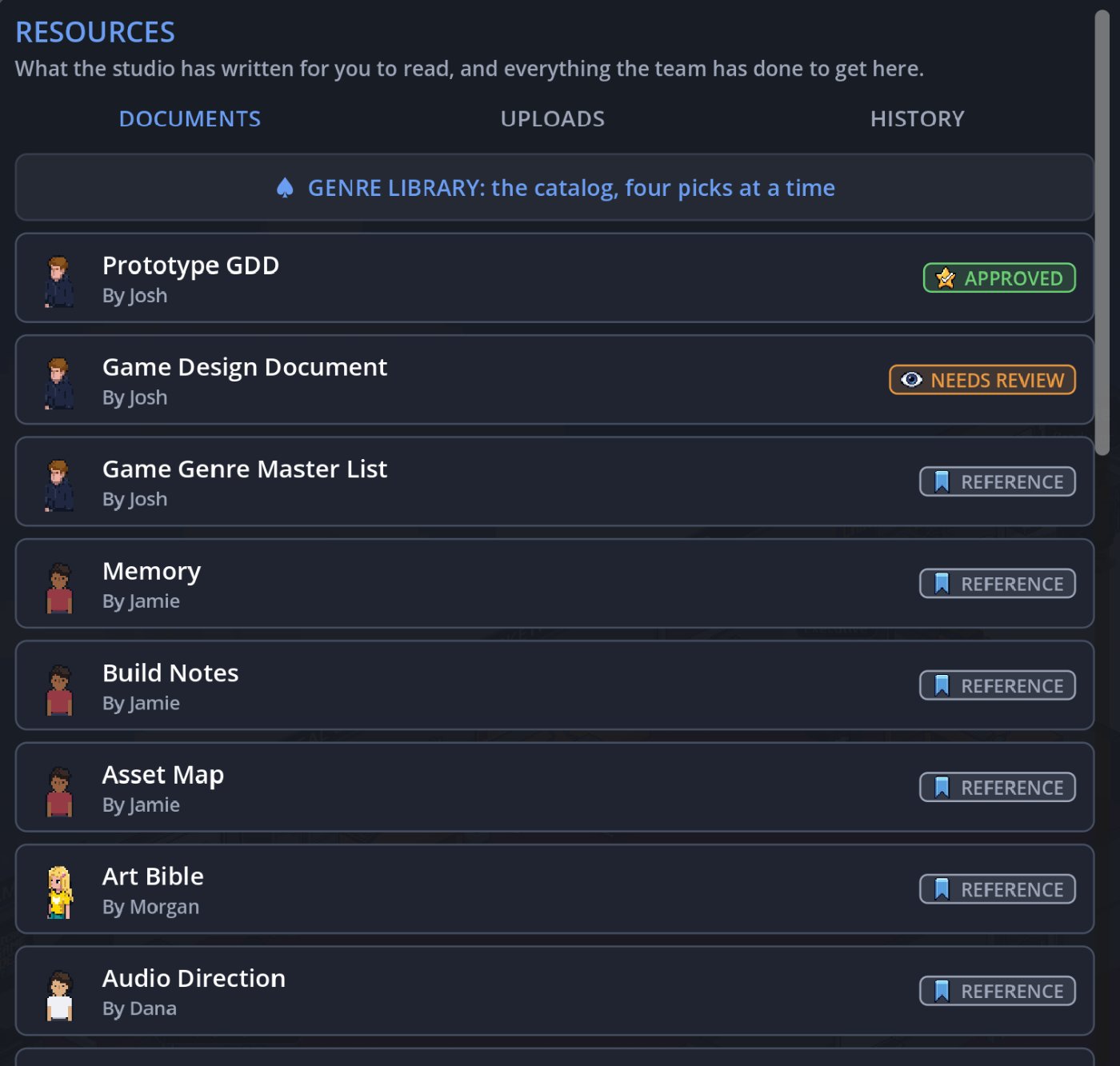
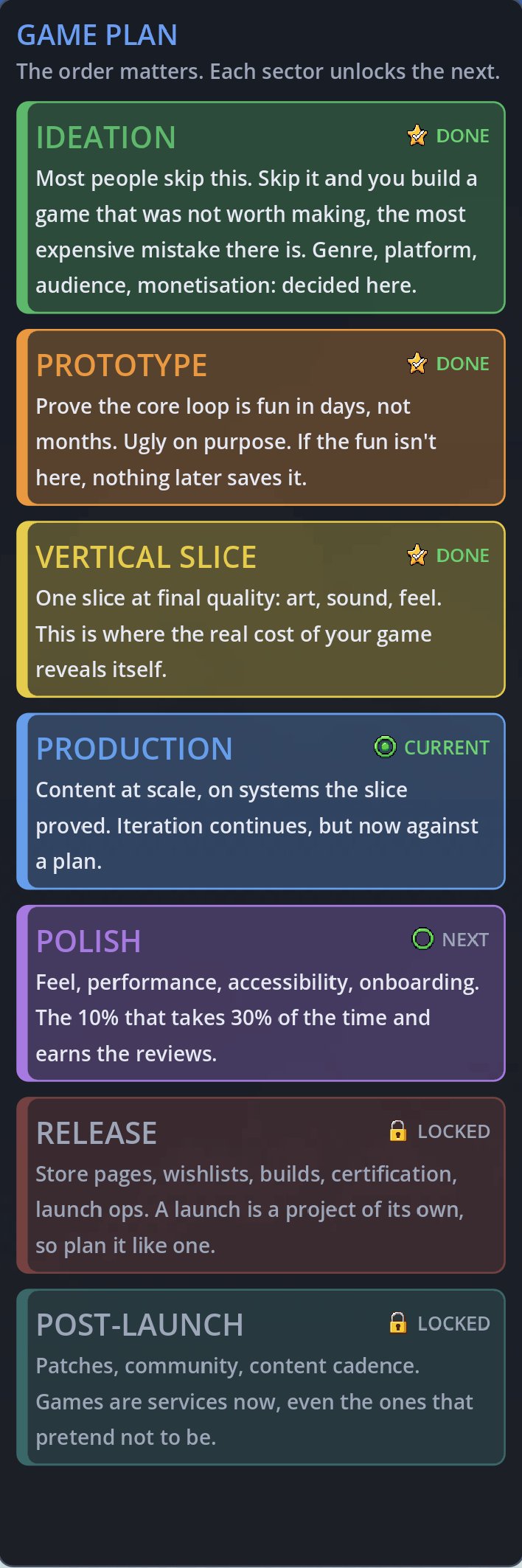
The game plan covers ideation to post-launch. The producer asks you only the questions only you can answer. Documents write themselves as the plan advances: GDD, art bible, test plan, store page, legal, marketing kit, patch notes.
Three paces
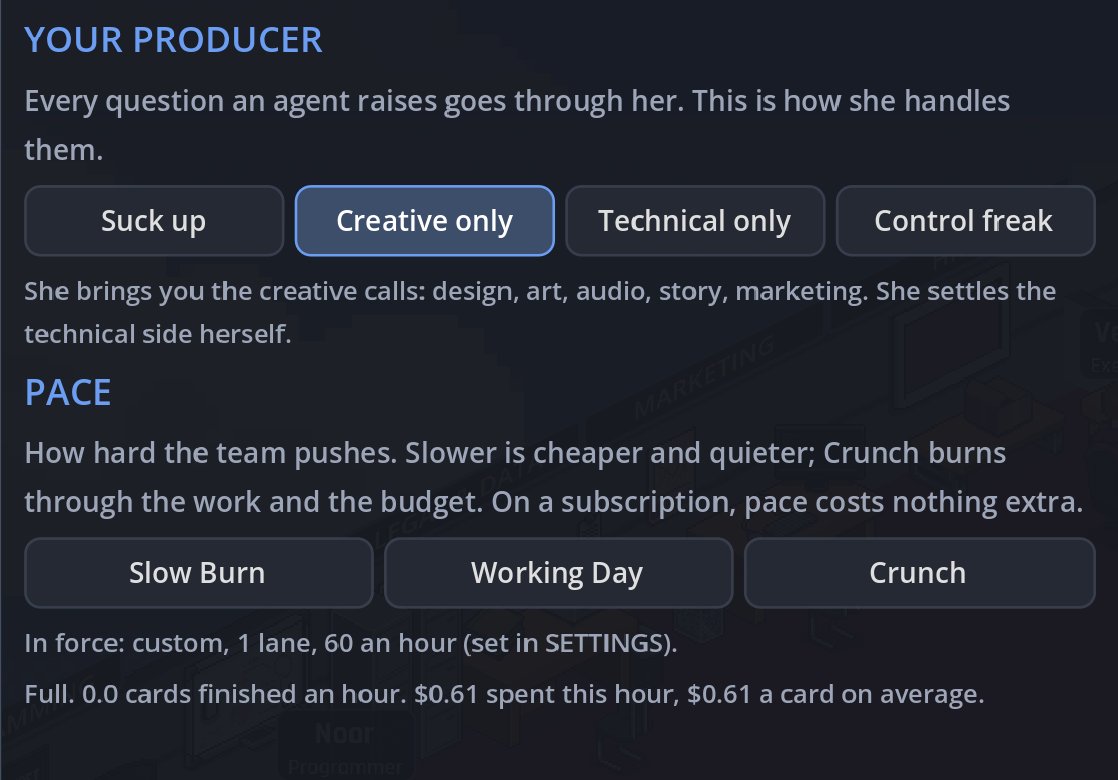
Slow Burn, Working Day, Crunch. Change it any time from the pace dial.
A weekly budget
Set a ceiling. The studio warns you before it gets there and pauses if it does.
Your AI, your terms
Plug in any AI, subscription or API. The estimated cost is shown for scale. The studio never bills on its own.
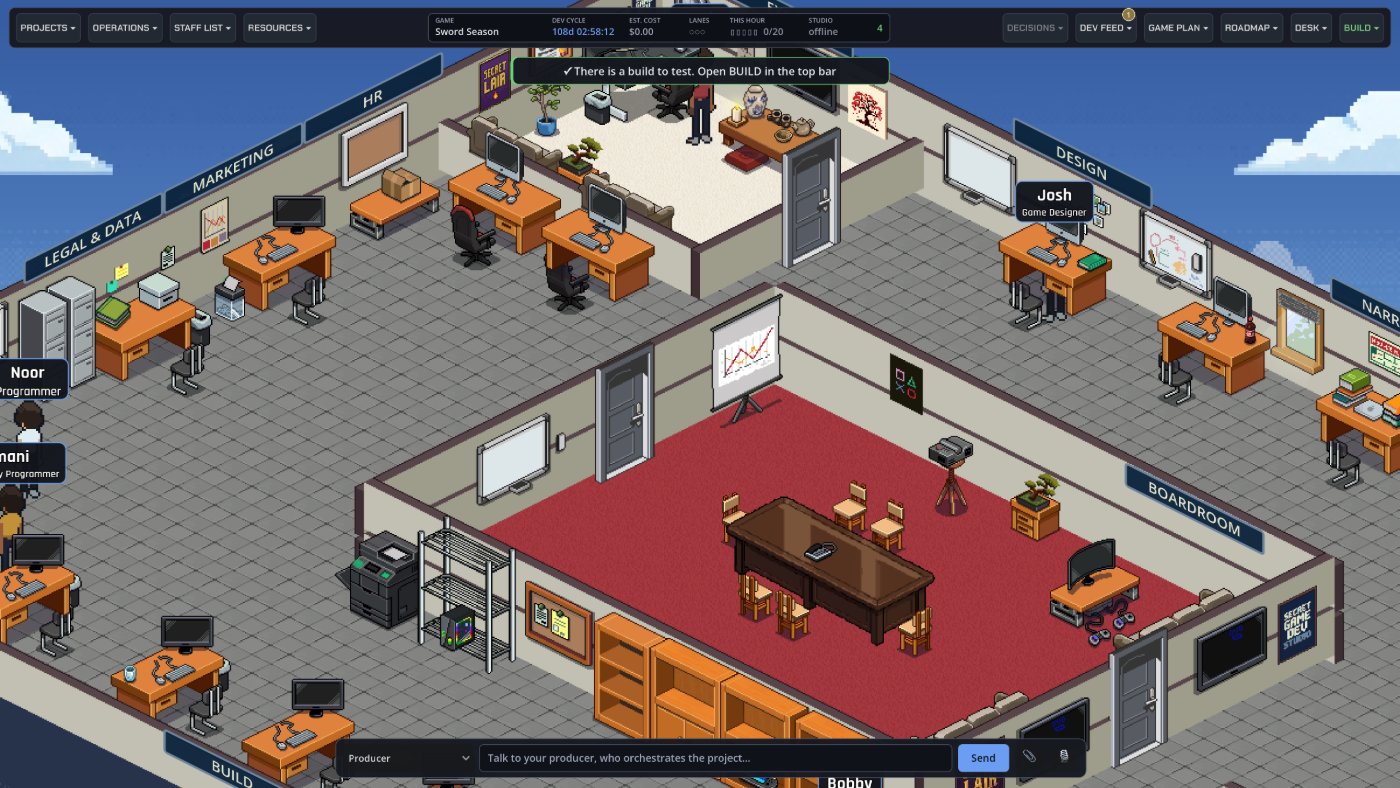
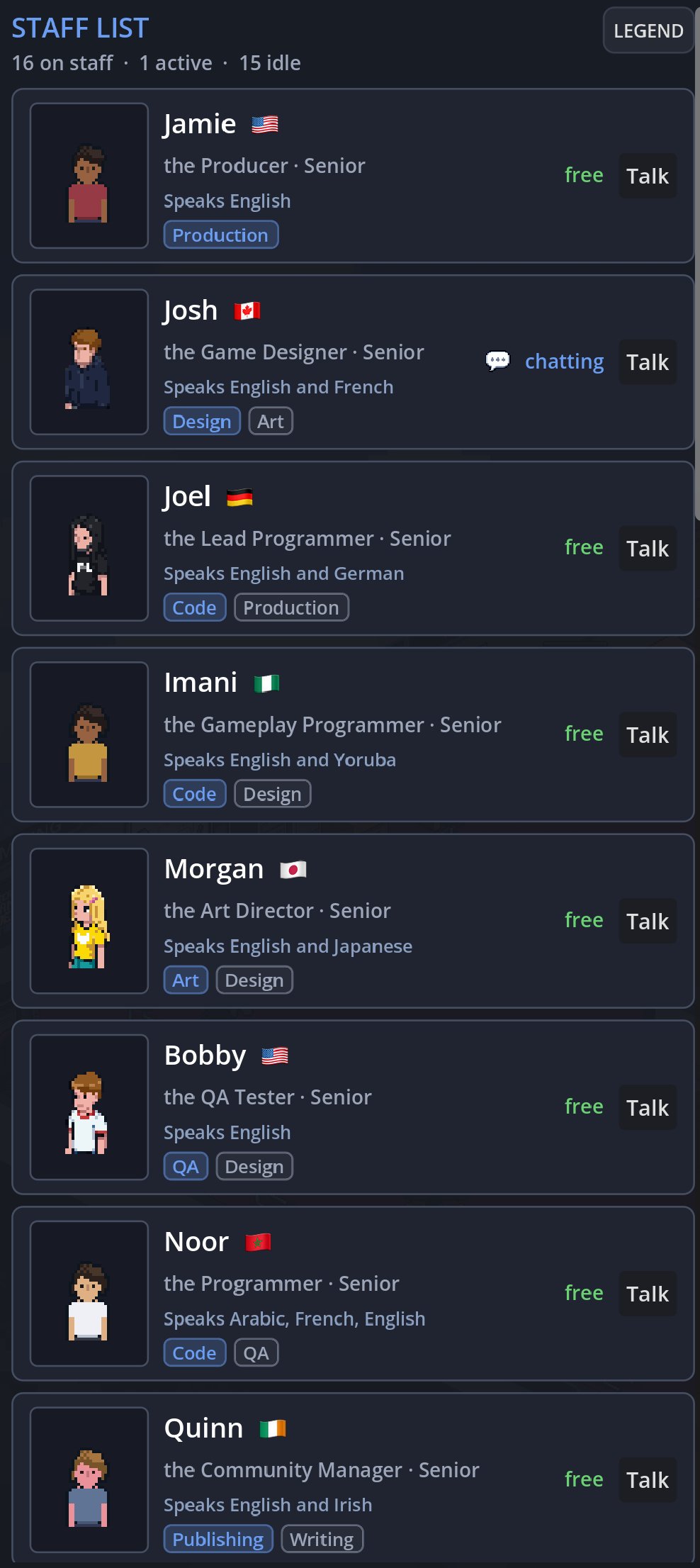
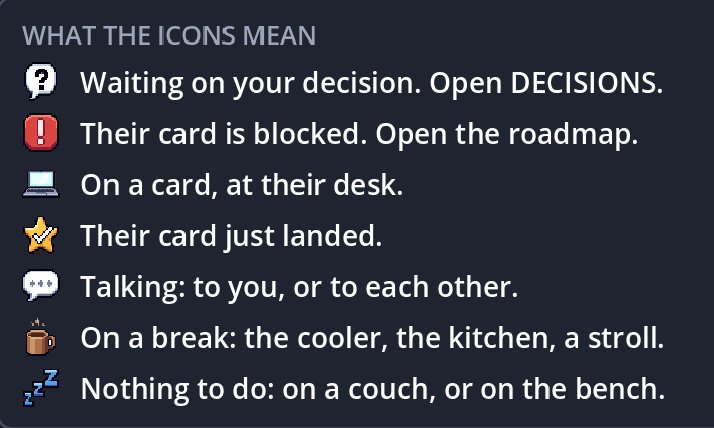
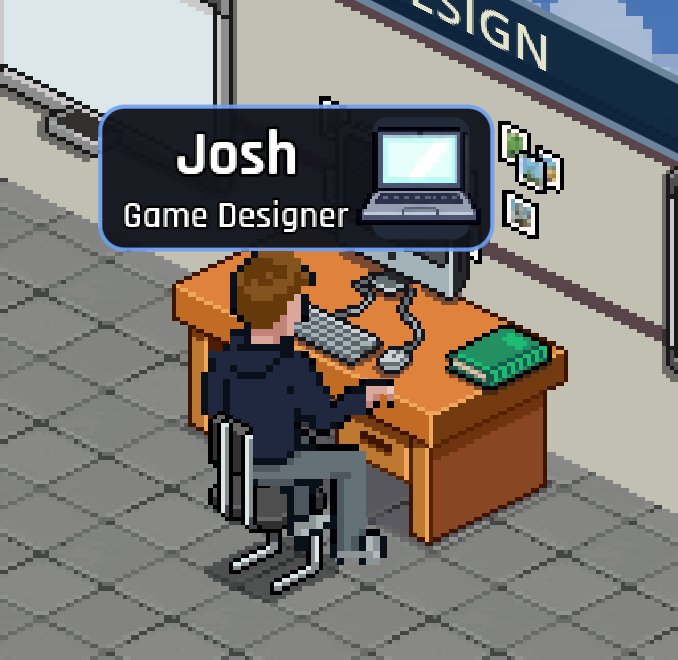
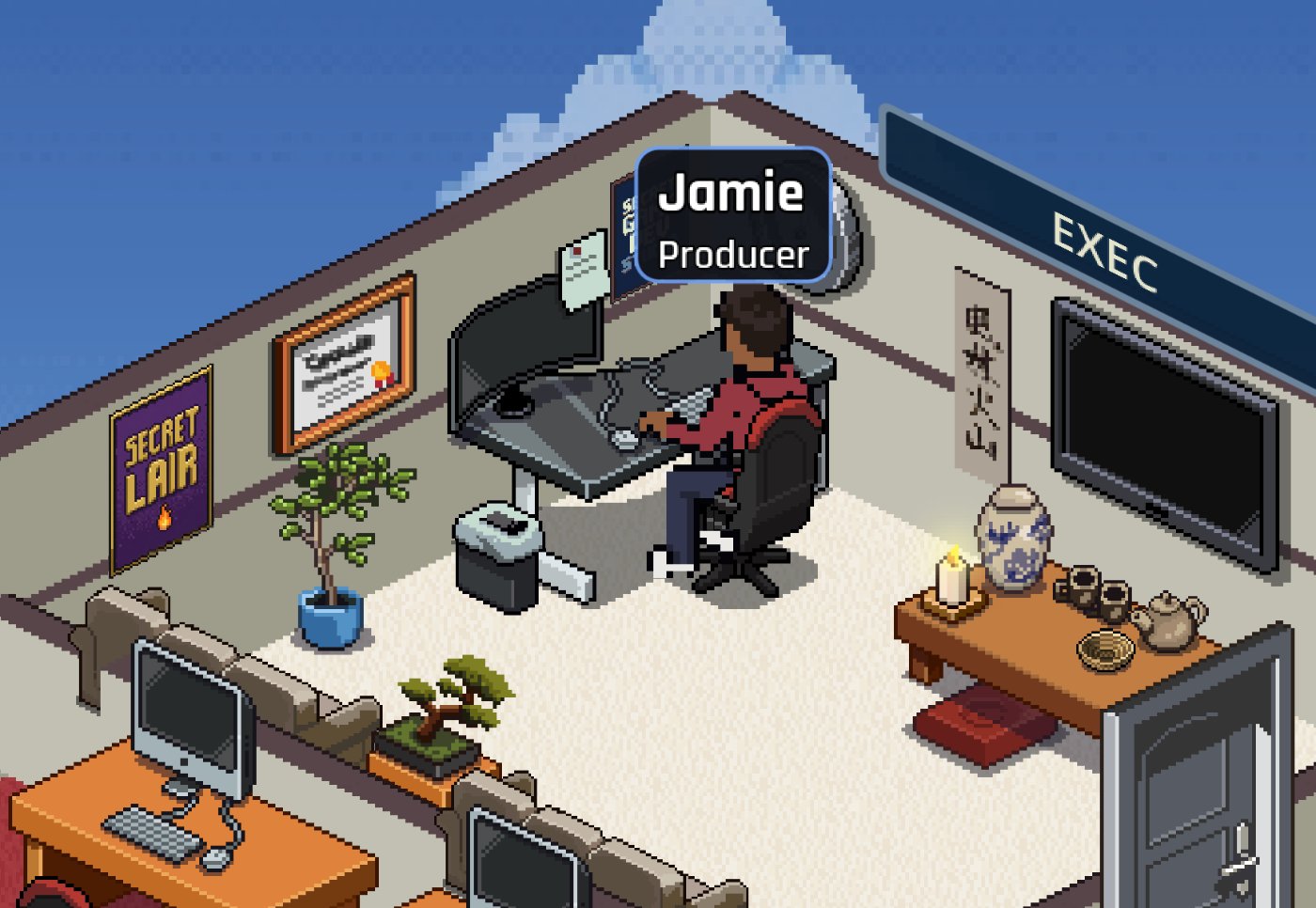
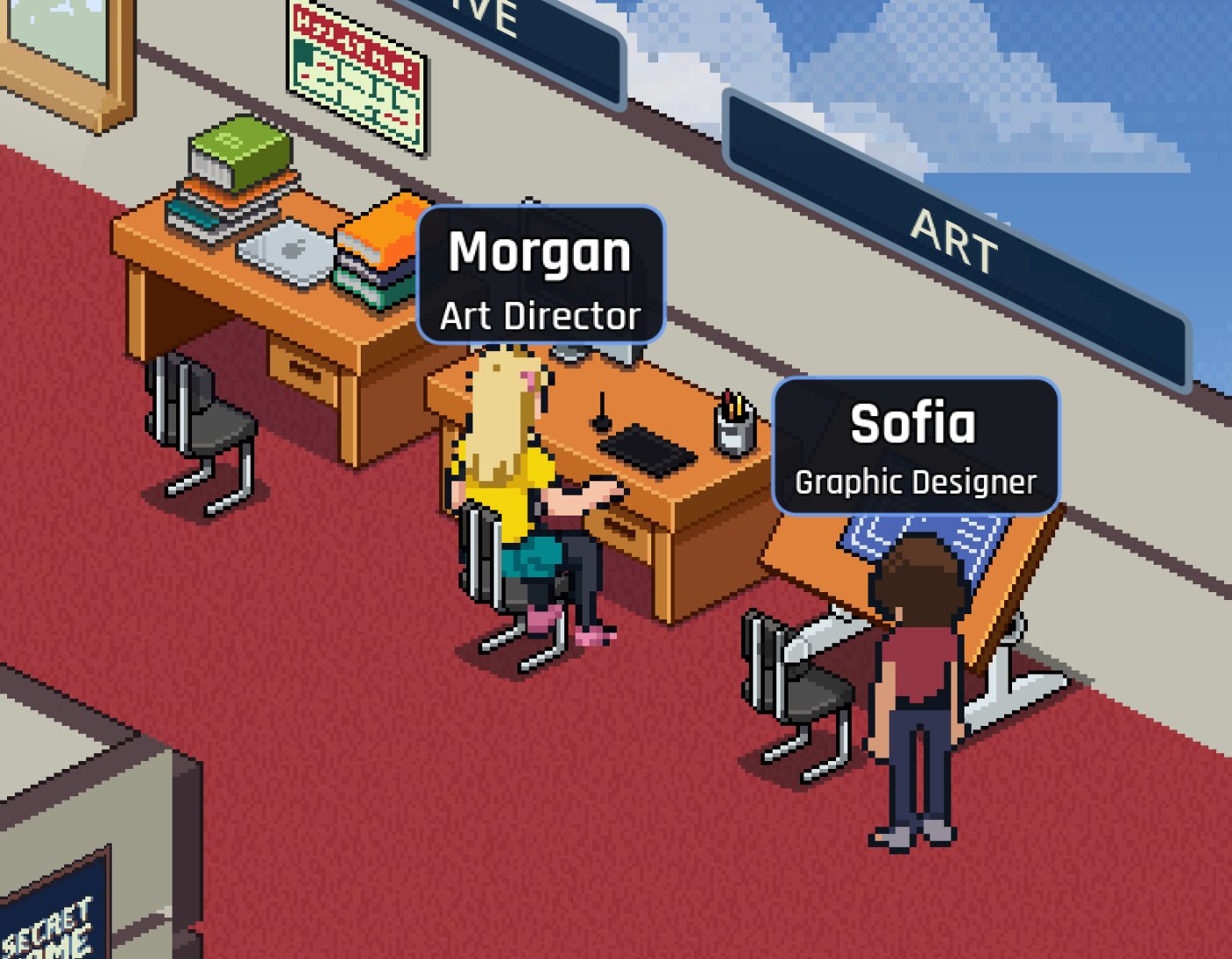
Producer, game designer, lead programmer, art director, sound designer, QA, community manager and more. At desks when they work, on couches when they rest. Icons over their heads tell you what each one is doing.
Named people with roles, faces and opinions
Real engines. Your toolchain.
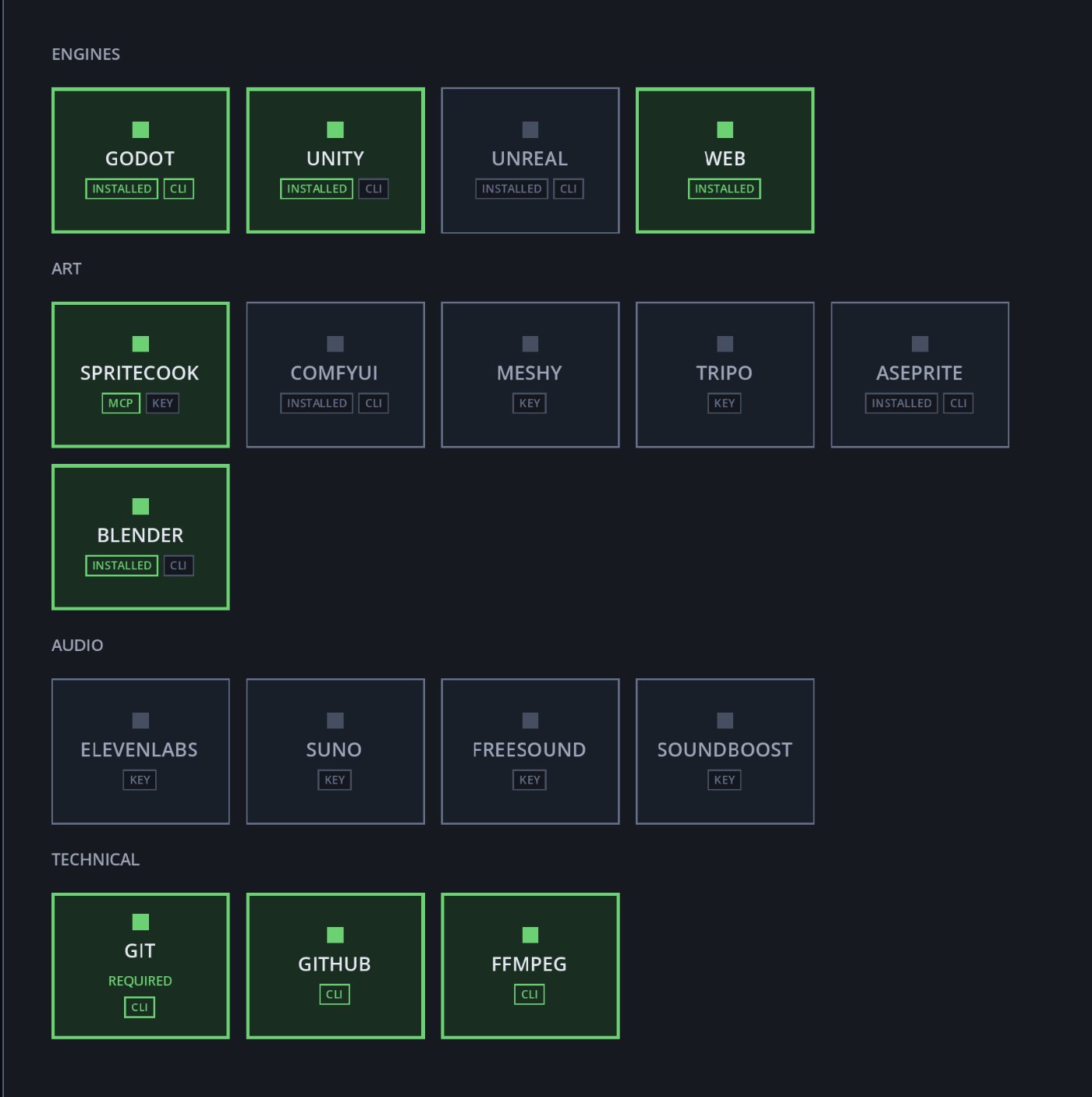
Godot, Unity, Unreal and the web. Art, audio and technical tools connect when you have them, and the studio shows you what is installed and what still needs a key.
Engines
Godot 4, Unity, Unreal, Three.js
Art
SpriteCook, ComfyUI, Meshy, Tripo, Aseprite, Blender
Audio
ElevenLabs, Suno, Freesound, SoundBoost
Technical
Git, GitHub, FFmpeg
What you need
| No. | Requirement | Remark |
|---|---|---|
| 01 | A Mac or Windows PC | macOS 13 or later, or Windows 10 and up |
| 02 | AI source | Any provider. A subscription you already pay for, or an API key |
| 03 | Git | Every build lands in history |
The app's first-run doctor checks each one and shows the fix.
Questions
Does it make a real game?+
Yes. A Godot or Unity project in a folder you own, with full git history.
Do I need to code?+
No. The team writes it. You can read the code any time.
What does it cost?+
The app price, plus whatever AI you plug in. The studio never bills on its own.
Which engines?+
Godot 4, Unity 2022 LTS or newer, Unreal and Three.js.
Mac or Windows?+
Both. One license covers either.
Can I use my own assets?+
Yes. Drop them in the uploads shelf and the art director takes it from there.
Open your studio
One license for the app, Mac or Windows. Plug in the AI you already pay for. Updates included.
One mail per release. Nothing else.
Secret Lair. A mobile app you will actually use.
Customized bots, AI models, useful apps and tools, and an idle game that lets you earn currency to pay your staff. Your studio's companion, in your pocket.
Your staff
Customized bots with a room, a bio and a job.
The vault
Models, notes, scanners, captures and files.
The gate
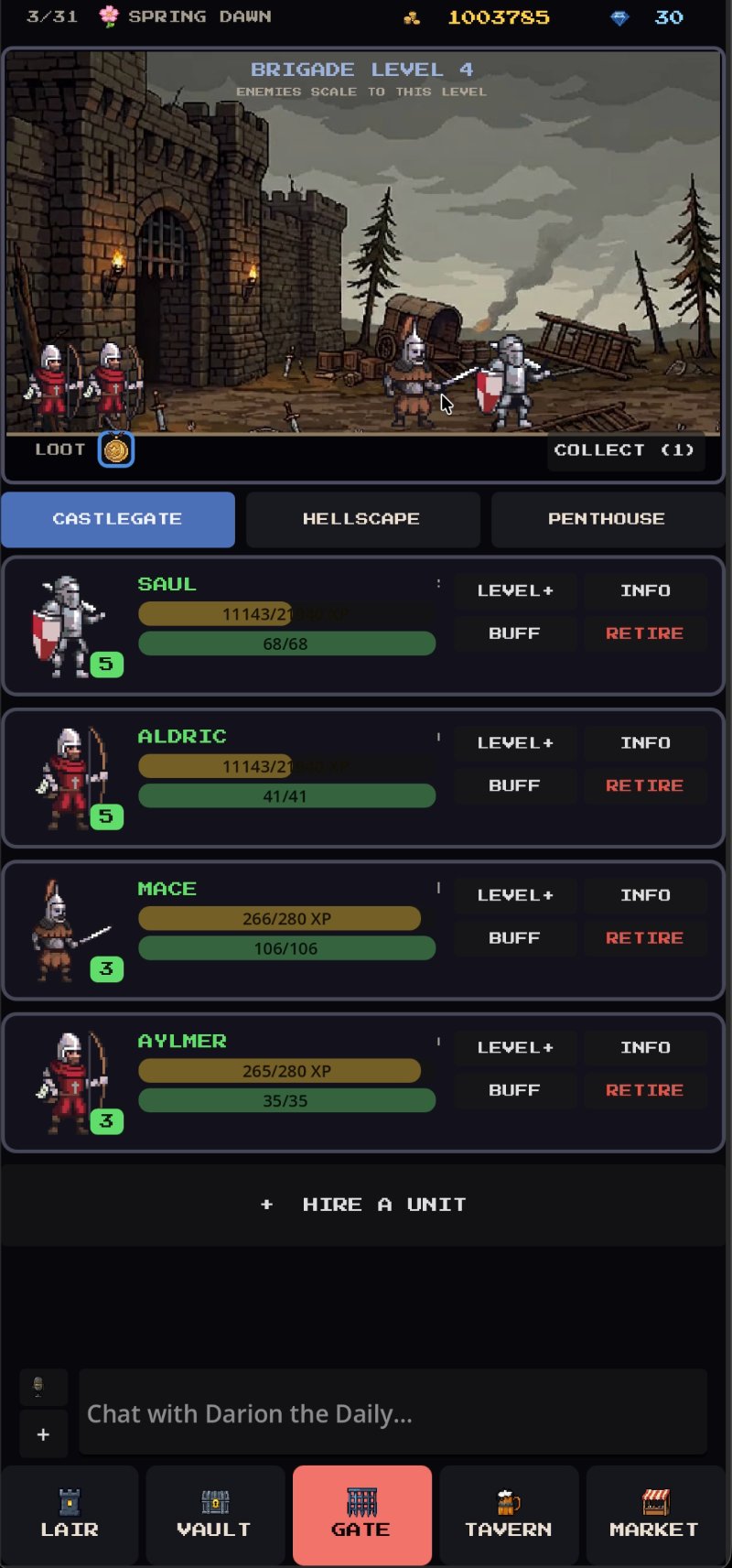
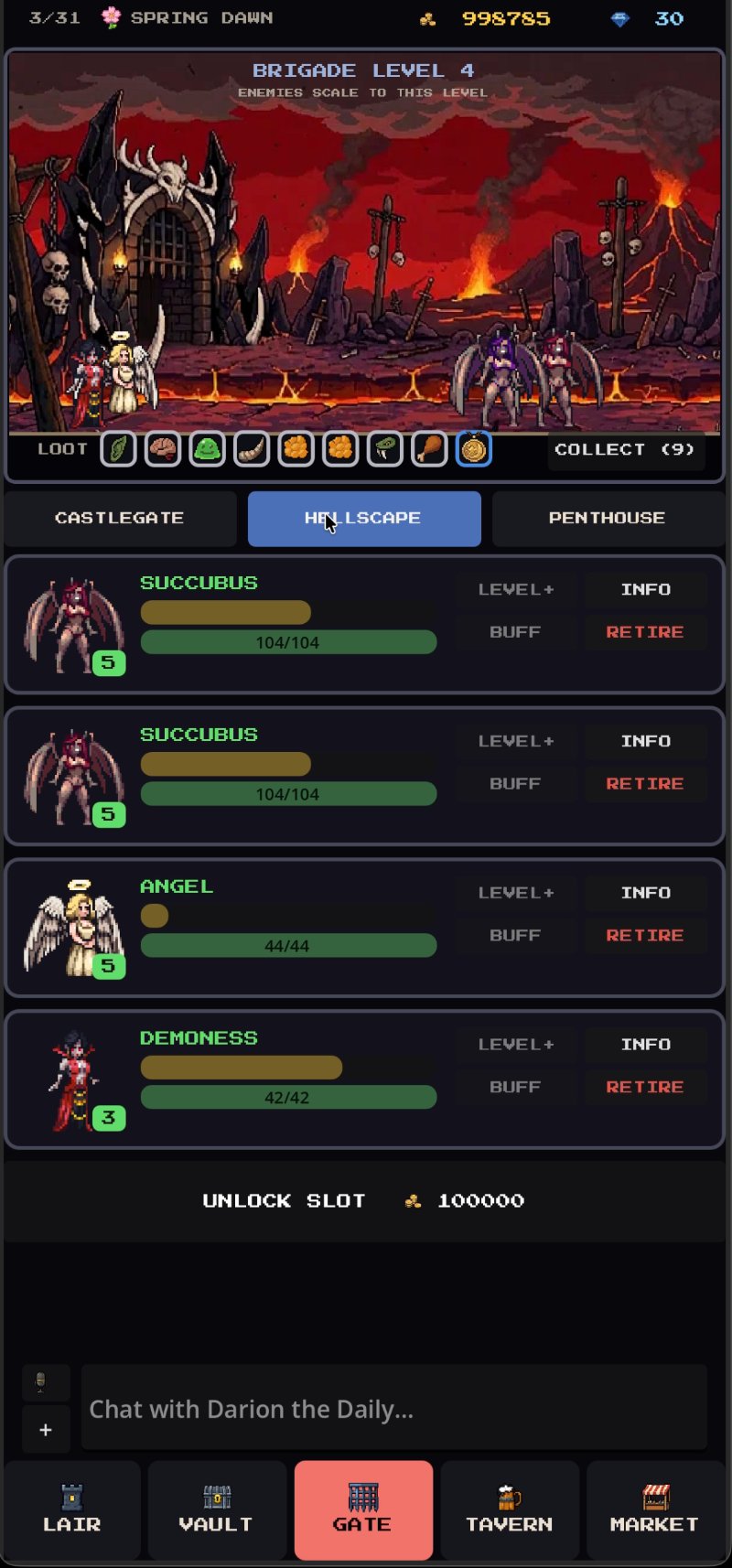
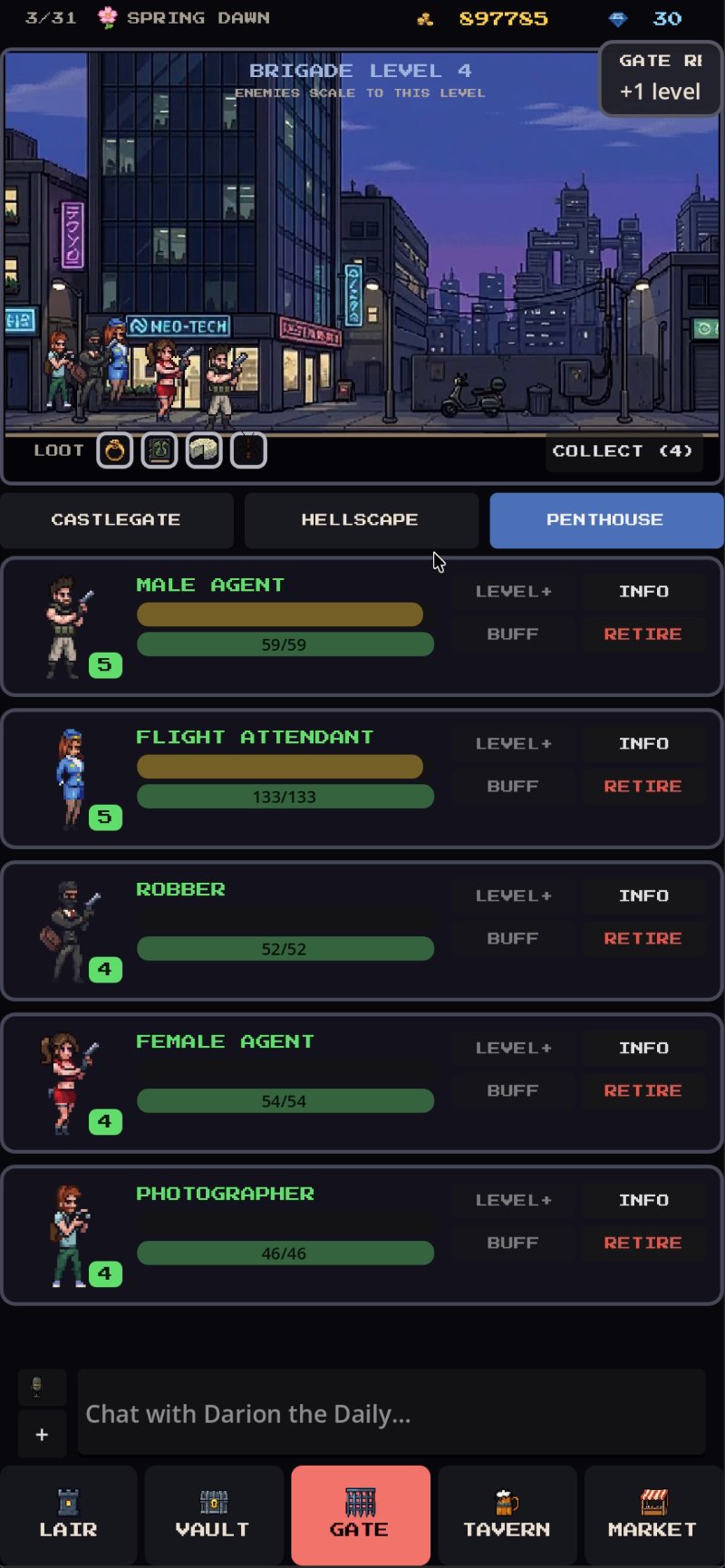
An idle game. Loot pays your staff.
Tavern and market
Socialize, take quests, hire new staff.